
Automotive Engineering
Domain-specific MBSE for the automotive industry to manage the complexity of powertrain electrification, autonomous navigation, and ISO 26262 functional safety compliance.
Static, document-based engineering is no longer sufficient to manage the deep architectural interdependencies found in modern vehicles. For programmes navigating the rigours of ISO 26262, a model-based approach is the only viable way to maintain required traceability at scale. We help organisations transition because today’s systems have simply outgrown the legacy tools once used to design them.
Enola has supported world-class programmes, ranging from a global premium vehicle manufacturer to a leading autonomous technology company. We provide the structured SysML methodology, custom plugins, and technical infrastructure, and the training needed to achieve sustained, long-term programme maturity.
Challenges
Key engineering challenges facing modern automotive programs
The evolution of software-defined vehicles has pushed legacy, document-led engineering to its breaking point. As electrification and autonomy compress development cycles, the risk of architectural fragmentation and broken traceability becomes a critical programme threat.
Enola provides the model-based infrastructure required to manage these layered interdependencies. We transition teams to a dynamic engineering environment where regulatory rigour and safety-critical alignment are built directly into the design process removing the friction of manual administrative burdens and ensuring the model remains the authoritative source of truth.

Functional Safety (ISO 26262)

Electrification Complexity

Autonomous Systems Integration

ASPICE Compliance
Capabilites
How Enola Supports Automotive Organizations
This is not a generic MBSE practice applied to vehicles. It is a domain-specific capability built on the standards that govern automotive system development.
01/06
ISO 26262 Functional Safety
HARA (Hazard Analysis and Risk Assessment) modelling within CATIA Magic. Safety Goal definition, ASIL classification, and traceability from Safety Goals through functional and technical safety requirements
02/06
FMEA and Fault Tree Analysis
Failure Mode and Effects Analysis and Fault Tree Analysis implemented within the model - linking failure modes to system architecture for automated impact propagation and coverage analysis
03/06
ASPICE Process Compliance
Model-based engineering process aligned to Automotive SPICE requirements — supporting software process improvement assessment and evidence generation
04/06
Powertrain and EV Architecture
SysML-based architecture models for combustion, hybrid, and electric powertrain systems — supporting parametric simulation via Dymola and MATLAB for trade study analysis
05/06
Autonomous Systems Modelling
Formal modelling of perception, sensor fusion, decision architecture, and actuation interfaces for autonomous and semi-autonomous vehicle systems
06/06
Requirements Traceability
End-to-end requirements management from regulatory and customer requirements through system and subsystem architecture using CATIA Magic and ENOVIA Requirements Manager
INSIGHT
MBSE in Practice - Automotive
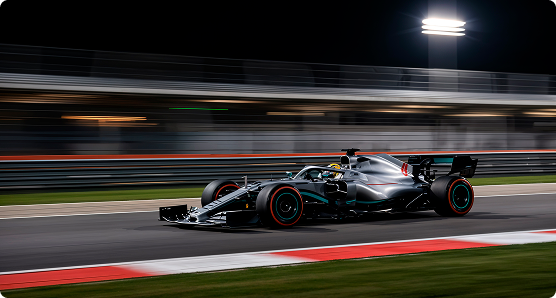
Formula 1 Vehicle Development
Formula 1 is one of the most demanding vehicle engineering environments that exists. Teams redesign cars at high frequency, under intense time pressure, coordinating decisions across multiple specialist groups. MBSE provides the coordination mechanism that documents cannot: shared models where changes propagate automatically, interfaces are formally defined, and every decision is traceable (Siemens, 2022a; Siemens, 2022b). The engineering discipline behind competitive F1 development applies directly to production vehicle programmes facing similar complexity under longer timescales.
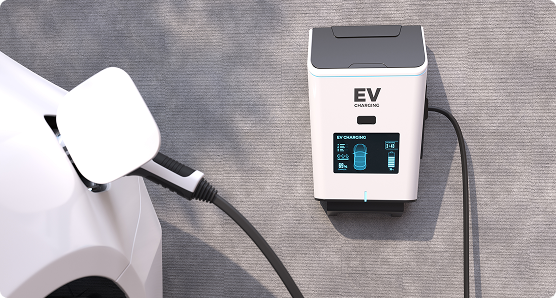
EV Platform Operational Analysis
For EV platform development, model-based operational analysis enables systematic architecture evaluation before a physical prototype is built - assessing powertrain integration scenarios, modelling energy flows, and evaluating system performance at a pace that hardware testing alone cannot match.
STANDARDS
Regulatory and Standards Landscape
Functional Safety standard for road vehicles. Enola implements HARA, ASIL classification, safety requirement generation, and verification evidence within CATIA Magic.
OMG Risk Assessment and Analysis Modeling Language the modelling notation for FMEA, FTA, and safety coverage analysis within the CATIA Magic environment.
Automotive Software Process Improvement and Capability Determination — process compliance framework for software-intensive vehicle systems.
OMG Systems Modeling Language - primary architecture language for vehicle systems, powertrain, and autonomous function specification.
Business Process Modeling Notation - used via Cameo Business Modele for manufacturing process modelling and operational workflow capture.

“Automotive safety certification under ISO 26262 requires structured traceability from hazard through design to verification. MBSE provides the engineering infrastructure to build and maintain that traceability - from the first system model to the final safety case“

Working With Enola in Automotive
Automotive engagements with Enola typically begin with structured SysML and CATIA Magic training, building the modelling foundations a team needs before MBSE is applied to live program work. Whether your organisation is adopting MBSE for the first time or scaling an existing capability, contact Enola to discuss your program's current stage and what the right starting point looks like.